
7 Key Facts: Difference Between Deductibles and Out of Pocket

Difference Between Deductibles and Out of Pocket Understanding the difference between deductibles and out of pocket costs is essential for both patients and medical billing teams. These terms are closely related, but they do not mean the same thing. A deductible is the amount a patient may have to pay for covered healthcare services before […]
Primary vs Secondary Insurance: 7 Essential Billing Rules for Providers

Primary vs Secondary Insurance: A Practical Billing Guide When a patient has two or more health insurance plans, knowing Primary vs Secondary Insurance is essential for accurate medical billing. The primary insurance pays first, while the secondary insurance reviews the claim after the primary payer processes it. This process is called coordination of benefits (COB). […]
7 Smart HMO vs PPO vs EPO vs POS Plans Differences You Should Know
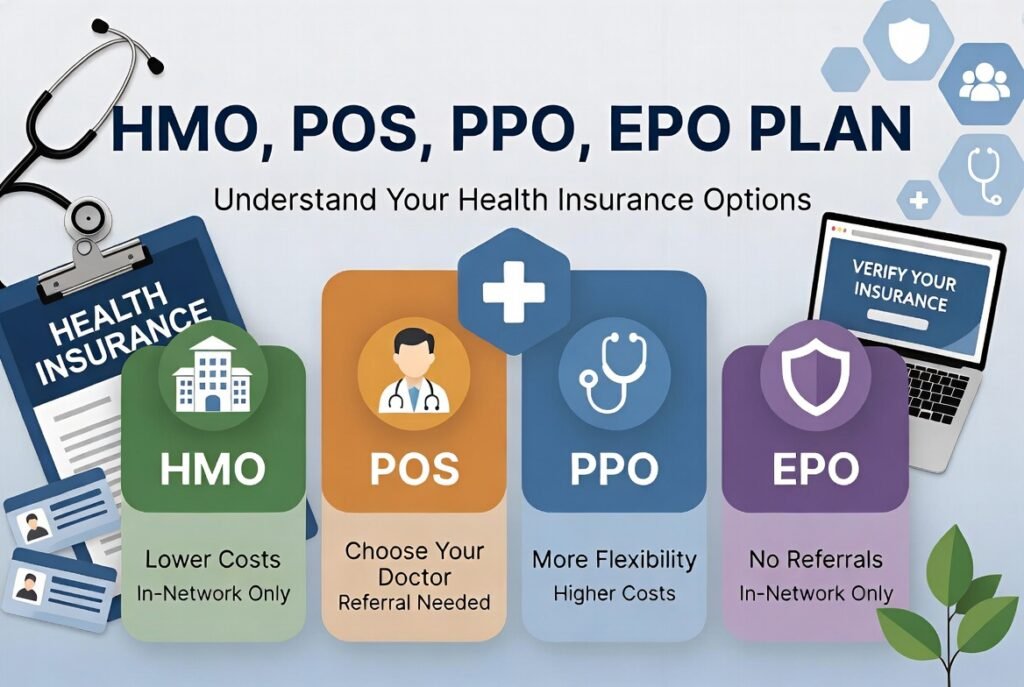
HMO vs PPO vs EPO vs POS Plans: Which Health Insurance Plan Is Best in 2026? Choosing the right health insurance plan can be confusing because every plan has different rules related to provider networks, referrals, costs, and coverage options. Understanding the difference between HMO vs PPO vs EPO vs POS Plans helps patients make […]
7 Key Difference Between Prior and Referral Explained
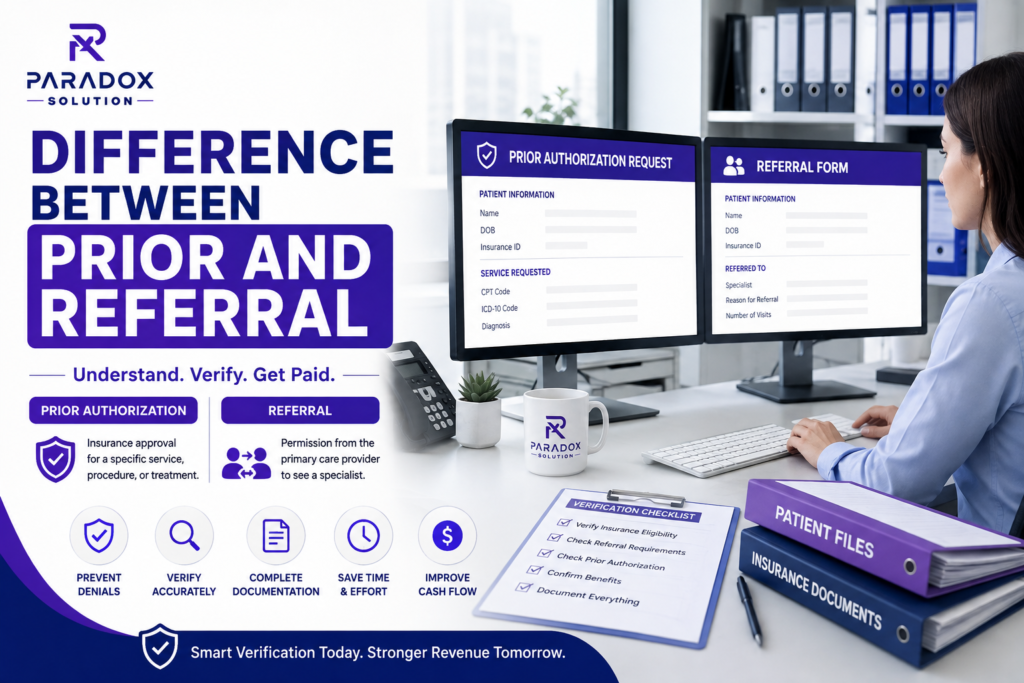
Difference Between Prior and Referral Understanding the difference between prior and referral is essential for healthcare providers, medical billers, front desk staff, and anyone involved in the revenue cycle. These two terms are often confused because both happen before a patient receives certain healthcare services. However, they serve different purposes and follow different insurance rules. […]
7 Common CO 50 Denial Code Explained Mistakes to Avoid
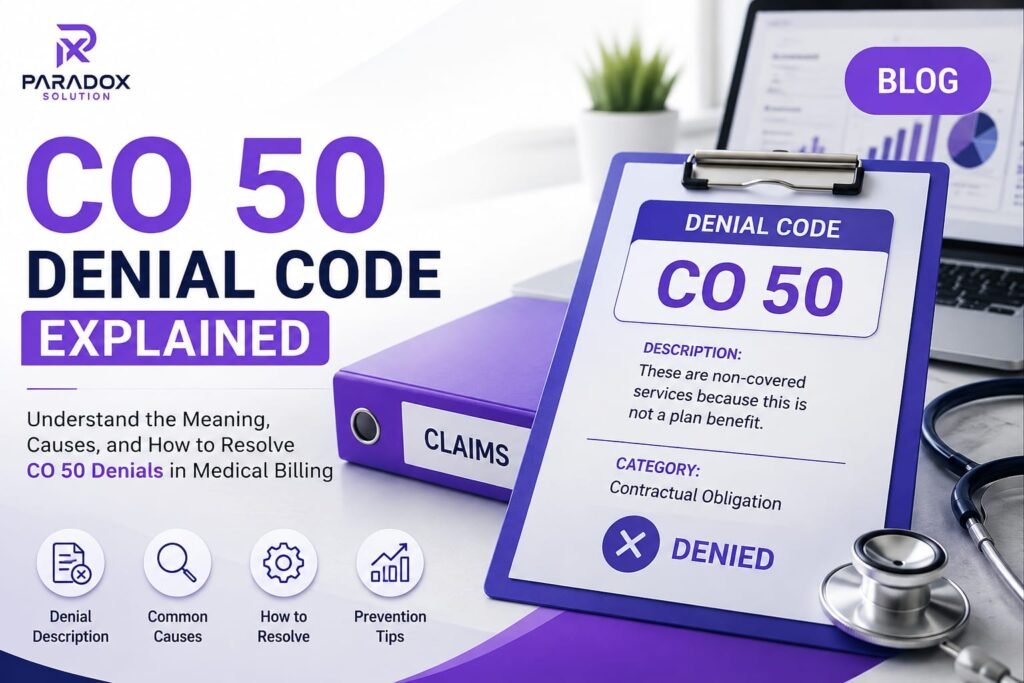
CO 50 Denial Code Explained Receiving a CO 50 denial can be frustrating, especially when you believe the claim was coded correctly. In medical billing, every denial affects cash flow, staff productivity, and patient satisfaction. Understanding CO 50 Denial Code Explained is the first step toward reducing unnecessary write offs and getting paid faster. CO […]
9 Essential Medicare Telehealth Billing Tips for Faster Claims

Medicare Telehealth Billing Medicare Telehealth Billing has become an important part of healthcare reimbursement as more providers deliver care remotely. Whether you run a solo physician office, a family medicine clinic, or a large multi provider practice, knowing how Medicare pays for telehealth services helps you avoid claim denials and payment delays. Medicare has specific […]
7 Essential Medicare Hospice Billing Rules for Accurate Claims
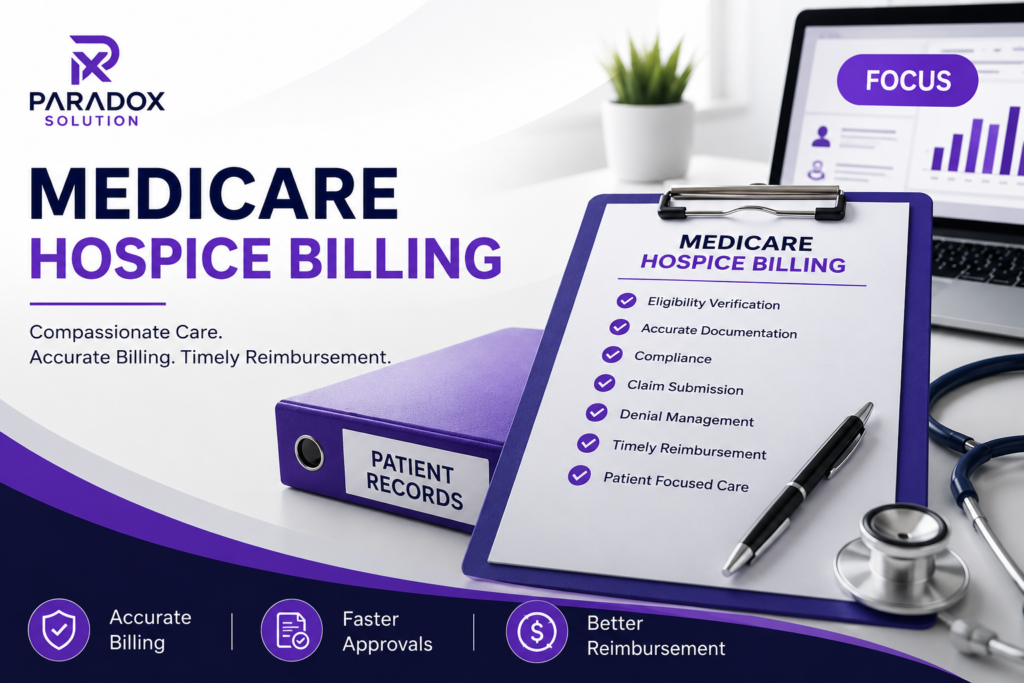
Medicare Hospice Billing Medicare Hospice Billing is one of the most specialized areas of medical billing because it combines strict Medicare regulations, detailed clinical documentation, and timely claim submission requirements. Even a small billing mistake can delay reimbursement or trigger claim denials. For hospice providers, maintaining accurate billing practices is essential to ensure patients continue […]
9 Proven Denial Prevention Strategies for Practices

Denial Prevention Strategies: 9 Proven Ways to Reduce Claim Problems Claim denials are rarely caused by one big mistake. More often, they start with a small issue somewhere in the revenue cycle. A patient insurance detail may be outdated. A prior authorization may not be attached. The diagnosis may not support the service. A modifier […]
7 Important Claim Rejection vs Claim Denial Differences

Claim Rejection vs Claim Denial If you have ever wondered about Claim Rejection vs Claim Denial, you are not alone. These two terms are often used interchangeably, but they mean very different things in medical billing. Understanding the difference can save your practice valuable time, improve cash flow, and reduce unnecessary work for your billing […]
7 Costly CO 29 Denial Code Explained Mistakes to Avoid
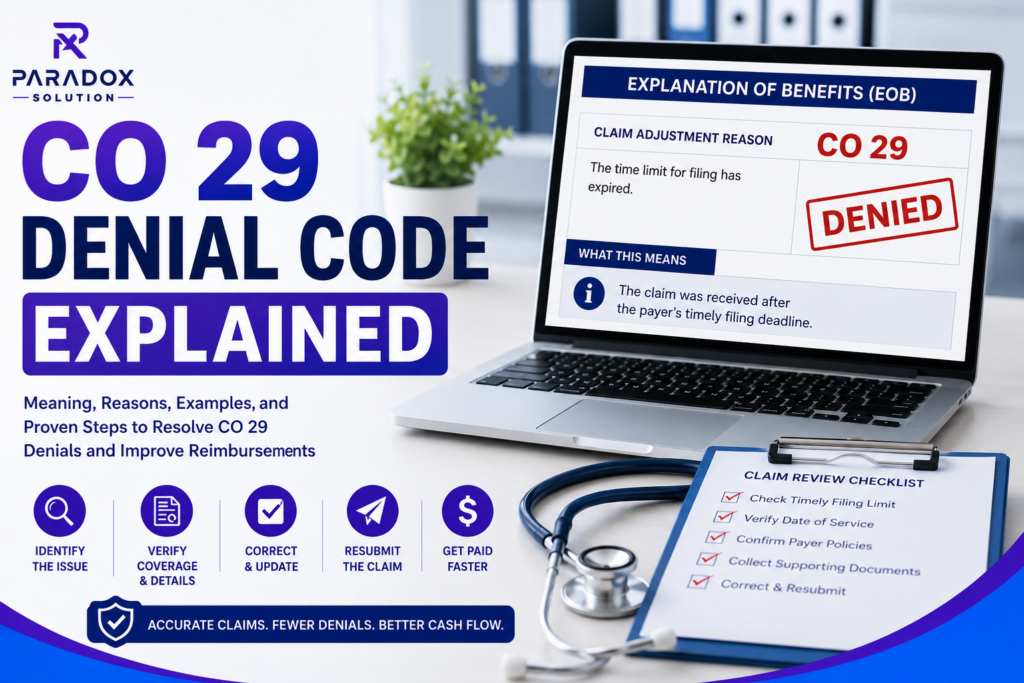
CO 29 Denial Code Explained If you work in medical billing long enough, you will eventually come across a CO 29 denial. It is one of those denials that often surprises providers because the medical service may have been medically necessary, properly documented, and correctly coded, yet the insurance company still refuses payment. The reason […]